
Best Dog Food for Itchy Skin: Choose the Right Diet
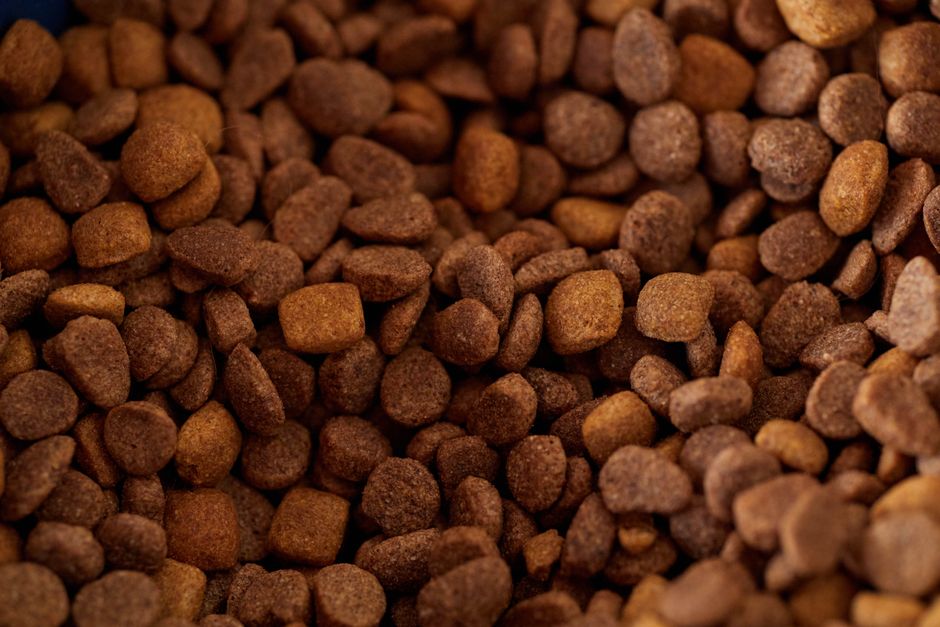
The best dog food for itchy skin depends on the cause. For everyday skin support, choose a complete food that fits your dog’s needs; suspected food allergy calls for a veterinarian-guided elimination trial using a carefully selected novel-protein or hydrolyzed diet. Feed it exclusively for 8–12 weeks, then reintroduce the previous diet under veterinary guidance to check whether symptoms return.
What food is best for a dog with itchy skin?
The best food is the one matched to the job: general skin support for routine feeding, or a controlled trial diet when a veterinarian suspects a food reaction. Those choices are not interchangeable. A food marketed for sensitive skin does not, by itself, diagnose an allergy.
Start with the dog’s full food history. Write down every food, protein, treat, chew, table-food extra, supplement, and flavored medication the dog has received. Merck Veterinary Manual guidance says a diagnostic trial should use one novel protein source or a hydrolyzed-protein diet selected after a careful history. “Novel” only has meaning against that individual history.
For a practical label check, ask: Has my dog eaten this protein before? Is this food intended for everyday feeding or a diagnostic trial? Are its ingredients and manufacturing controls suitable for an elimination diet? A label’s limited-ingredient claim is not a guarantee against cross-contamination. In a study of 11 limited-antigen wet diets, researchers detected undeclared animal protein in 6 (54.5%); the result underscores why veterinarian guidance and manufacturer controls matter when choosing a trial food.
What is the best dog food for dogs with itchy skin?
There is no universally best option; choose by purpose and ingredient history. The comparison below separates everyday choices from diets intended for a veterinarian-guided allergy investigation.
| Option | Who it suits | Cost | Key limitation |
|---|---|---|---|
| Everyday skin-support or standard food | Dogs needing routine feeding rather than an allergy diagnosis | Not published | Does not establish or rule out food allergy |
| Over-the-counter limited-ingredient or novel-protein food | A possible trial candidate if its protein is genuinely new to the dog and the veterinarian approves it | Not published | Undeclared animal protein was found in 6 of 11 limited-antigen wet diets tested in one study |
| Veterinary hydrolyzed-protein diet | Dogs undergoing a veterinarian-directed elimination trial | Not published | Hydrolyzed diets differ in how extensively proteins are broken down; selection should be individualized |
Merck says a skin-focused food trial should last 8–12 weeks. A review of studies involving 209 dogs found that 50% had marked symptom reduction by 3 weeks, 85% were back to normal by 5 weeks, and 95% had complete remission when trials continued to 8 weeks. Early improvement can be encouraging, but stopping early can miss cases; the trial length and next step should be agreed with the veterinarian.
Grain-free is not automatically necessary. A small, open-label study of 30 atopic dogs without food hypersensitivity compared a rice-based diet with a grain-free, salmon-rich diet for 30 days. Both groups showed reductions in skin-lesion scores, and the rice-based group also had a statistically significant reduction in itch score. That study does not test allergy-diagnosis diets or establish grain-free feeding as a requirement for itchy dogs.
What can I give my dog for very itchy skin?
For very itchy skin, arrange veterinary assessment rather than treating food as the only possible cause. Food allergy can involve itch, recurrent bacterial or yeast skin inflammation, and recurring ear inflammation, but those signs alone do not confirm it. Paw licking, face rubbing, and recurring ear infections can also occur with environmental atopy.
If food allergy is suspected, ask the veterinarian to set up an elimination trial and define exactly what the dog may eat. During the trial, feed only the selected diet and permitted extras. Merck warns that treats, table food, chewable medications, supplements, and toothpaste can introduce ingredients that undermine the test.
The confirmation step matters. The Merck Veterinary Manual identifies an elimination diet followed by a controlled dietary challenge as the reliable way to prove food allergy. If signs improve during the trial, the veterinarian can guide reintroduction of previous ingredients and monitor whether symptoms recur. Merck reports that relapse after challenge can occur from 1 hour to 14 days, so keep a clear symptom and feeding record rather than judging from one day.
What should I avoid feeding a dog with itchy skin?
During a diagnostic trial, avoid every food or flavored extra that falls outside the approved diet. That includes treats, table scraps, chews, supplements, and flavored medicines unless the veterinarian confirms their ingredients fit the restrictions. The goal is a clean test: one allowed diet, with no untracked ingredients.
Do not assume a familiar ingredient is safe for a trial just because it is common, or that a less familiar-sounding food is truly novel. Merck lists beef, dairy, chicken, wheat, and lamb among common dog food allergens, with soy, corn, egg, pork, fish, and rice among less common examples. The relevant question is what this dog has eaten and what the veterinarian is testing—not whether an ingredient is widely labeled an allergen.
Also avoid treating grain-free as a shortcut to solving itch. Evidence supplied here does not establish that grain-free food is needed for itchy dogs, and a routine formula is not automatically suitable for diagnosing food allergy. Keep the distinction clear: everyday feeding addresses routine nutritional needs; a diagnostic diet must be selected and followed in a way that makes the result interpretable.
Frequently Asked Questions
Should I try a limited-ingredient food or a prescription hydrolyzed diet?
Ask your veterinarian to choose based on your dog’s ingredient history and the purpose of the trial. Over-the-counter limited-ingredient foods can have undeclared animal proteins, while hydrolyzed diets differ in how extensively proteins are broken down.
How long should my dog eat a new food before I can tell if it helps?
For suspected food-related skin signs, plan on an exclusive 8–12 week trial with your veterinarian. Improvement alone does not confirm an allergy; a controlled re-challenge helps test whether the previous food triggers symptoms.
Can treats or flavored medications interfere with a food trial?
Yes. Treats, table food, chews, supplements, flavored medicines, and toothpaste can introduce ingredients outside the trial diet. Use only extras your veterinarian confirms meet the diet’s restrictions.
Does itchy skin with paw licking or yeast infections mean my dog has a food allergy?
No. These signs can occur with food allergy, but paw licking and recurrent ear infections can also occur with environmental allergies, and symptoms alone do not establish the cause. An elimination diet followed by a controlled dietary challenge is the reliable way to confirm food allergy.
Sources
- Merck Veterinary Manual — Nutrition in Disease Management in Small Animals
- Merck Veterinary Manual — Cutaneous Food Allergy in Animals
- Merck Veterinary Manual — Allergies in Dogs
- Valentine et al. — Review of critically appraised topics on adverse food reactions of companion animals
- Pagani et al. — Cross-contamination in canine and feline dietetic limited-antigen wet diets
- Verde et al. — Non-controlled trial comparing grain-free and standard grain diets in atopic dogs
You may also like

Shih Tzu Puppies for Sale: Check Costs and Vet Breeders
Verify the breeder, records, and deposit terms before buying; Shih Tzu prices are not published in the available sources.